Little Tunny Catch Panama City Beach Fishing
Little Tunny Fishing in Panama City Beach - What to Expect

Fishing Charter by Captain Ashton Lewis in November
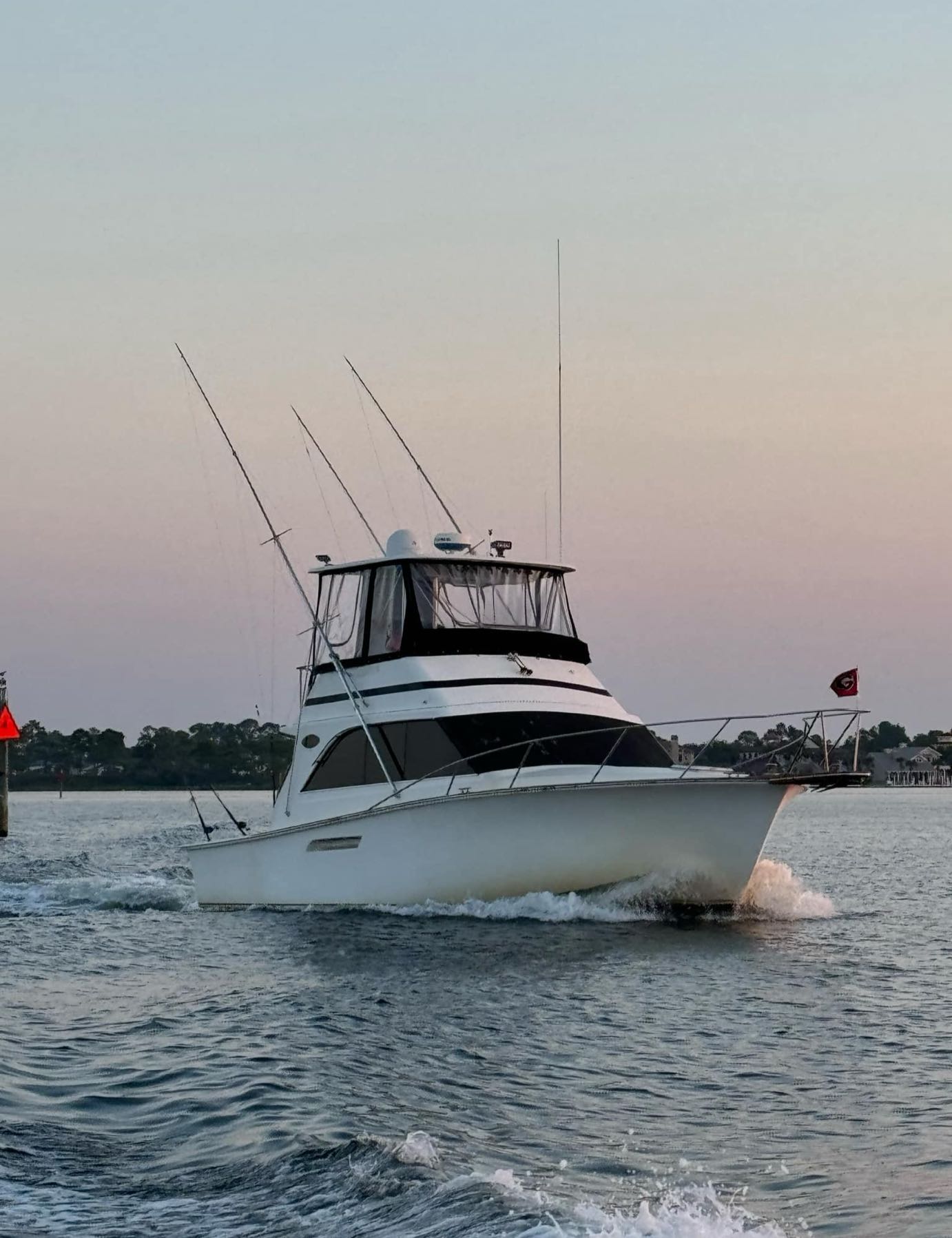
- Panama City Beach Fishing Charter Wonderland!


Summary
Join a fishing charter in Panama City Beach with Captain Ashton Lewis of Showtime Fishing Charter for an exciting day targeting little tunny. This inshore fishing charter delivers fast action and memorable catches in the clear waters off Florida's Gulf Coast.
Fishing Charter with Captain Ashton Lewis - Rates & Booking
Captain Ashton Lewis of Showtime Fishing Charter took anglers out on Wednesday, October 28th for an action-packed little tunny fishing expedition. This fishing charter delivers the experience you're looking for when targeting inshore species around Panama City Beach. For specific rates, inclusions, and available dates, contact Showtime Fishing Charter directly to book your trip.
Highlights of Your Fishing Charter
What stands out on this charter is the immediate action and the quality of the catch. Little tunny are aggressive feeders that hit hard and provide exciting fights on light tackle. The crew aboard Showtime Fishing Charter knows exactly where to find them and how to work the conditions to put fish on the line. Whether you're an experienced angler or stepping onto a boat for the first time, the combination of productive fishing grounds and local expertise makes this charter memorable.
The atmosphere on the water reflects what Panama City Beach fishing is all about - genuine Gulf Coast experience with a crew focused on getting you into fish quickly and safely. The camaraderie among anglers, the sight of multiple catches, and the clear water visibility all contribute to the kind of day you'll want to repeat.
Local Species Insights: Little Tunny
Little tunny are a staple of Gulf Coast fishing and thrive in the warm waters off Panama City Beach. These aggressive fish typically inhabit offshore reefs, drop-offs, and structure where baitfish congregate. What makes little tunny particularly exciting is their speed and power - they hit baited rigs or artificial lures with genuine aggression, creating an engaging fight that keeps anglers actively engaged throughout the day.
Little tunny behavior changes seasonally and with water conditions. On productive days like the one captured here, multiple anglers can experience back-to-back action as the school feeds. They respond well to live or cut bait presentations and are increasingly targeted on light tackle, which adds challenge and excitement to the experience. The fact that the day produced multiple fish for the group reflects the abundance and feeding activity typical of solid fishing conditions around Panama City Beach.
Success with little tunny depends heavily on location knowledge, reading water conditions, and understanding where schools congregate. Captain Ashton Lewis brings years of experience reading these patterns, positioning the boat where the bite is happening rather than searching randomly. This local expertise, combined with the established fishing grounds around Panama City Beach, results in the consistent action that keeps anglers coming back to Showtime Fishing Charter.
The waters off Panama City Beach support a diverse ecosystem. Little tunny share these grounds with other inshore and near-shore species, creating opportunities for varied fishing throughout the season. The reef structure and natural channels around the area provide habitat that concentrate fish, making the area particularly productive. Clear water visibility on good days allows anglers to see the visual spectacle of schooling behavior and feeding, adding another dimension to the experience beyond just catching fish.
Fishing in Panama City Beach: Little Tunny
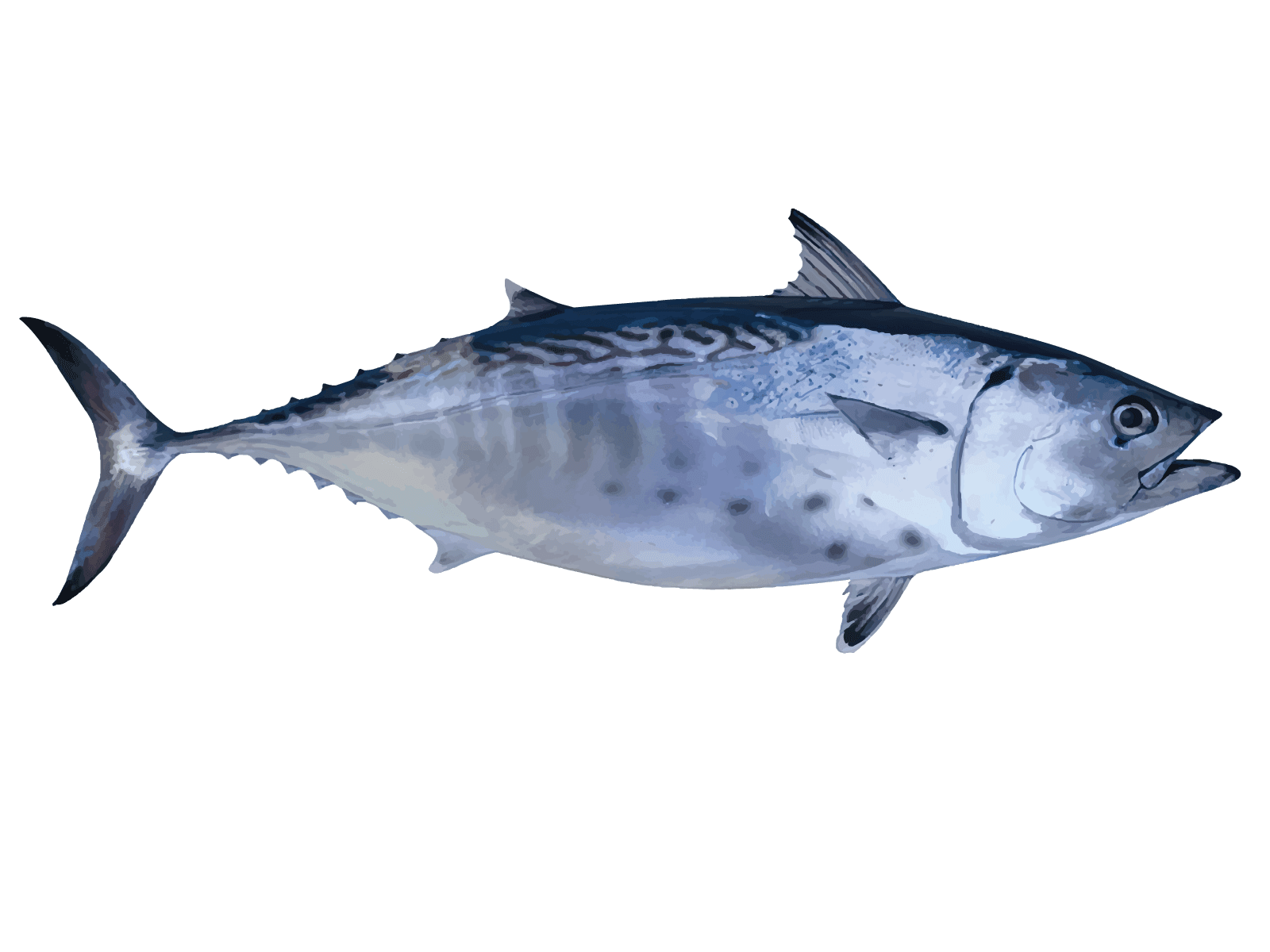
Little Tunny Overview
The Little Tunny (Euthynnus alletteratus) is a compact powerhouse of the Scombridae family, belonging to the order Perciformes. Also called Bonita or False Albacore, this smaller tuna variant has earned a devoted following among recreational anglers for its explosive fighting spirit and acrobatic runs. With a distinctive torpedo-shaped body, dark metallic blue coloring accented by blue-green stripes, and characteristic black fingerprint-like spots running along its sides, the Little Tunny is unmistakable once you've encountered one. What makes this species particularly exciting is that it's one of the more accessible tuna species for anglers targeting larger game fish, yet it delivers all the thrills you'd expect from the Scombridae family. Whether you're fishing the Atlantic coast or exploring nearshore reefs, these migratory fish offer year-round opportunity and consistently rewarding action.
Little Tunny Habitat and Distribution
Little Tunny are pelagic fish that thrive in warm to temperate coastal waters throughout the Atlantic Ocean and beyond. They prefer staying in nearshore waters, typically hugging the surface and concentrating around structure such as points, inlets, jetties, and sandbars where their prey congregates. These highly migratory fish travel in schools, moving southward during fall and winter months in search of warmer waters. You'll often find them swarming underneath jetties and around rocky outcrops, particularly when schools of baitfish are present. The species is native to Atlantic regions and can be encountered from spring through early winter depending on your location, with peak activity occurring during the warmer months when they're most aggressive and readily available to anglers.
Little Tunny Size and Weight
The Little Tunny is typically measured by weight rather than length, with average specimens ranging from 10 to 12 pounds. In terms of length, you can expect catches between 24 and 48 inches, though most fish encountered will fall in the mid-range of this spectrum. While the average weight hovers around 10–12 pounds, these fish can exceed 20 pounds, and the all-time record stands at approximately 36 pounds. Don't let the smaller size fool you—pound for pound, these fish fight with intensity that belies their modest dimensions, making them exciting targets for light-tackle and fly-fishing enthusiasts alike.
Little Tunny Diet and Behavior
As carnivorous hunters, Little Tunny are aggressive feeders that primarily consume small fish and invertebrates, particularly those found in concentrated schools. They actively hunt squid, crustaceans, and small baitfish, and they've developed a schooling strategy that amplifies their hunting efficiency—traveling in coordinated groups allows them to corral prey and overwhelm localized concentrations of food. One telling sign of their feeding activity is the noise they make while eating; experienced anglers learn to listen for the distinctive splashing and commotion that reveals an active school below the surface. These fish are relentless swimmers with high metabolic demands, which means they're almost always willing to chase fast-moving presentations. Their behavior shifts seasonally with migration patterns, becoming more active and aggressive as water temperatures warm during spring and early summer months.
Little Tunny Spawning and Seasonal Activity
Little Tunny exhibit distinct seasonal patterns driven by water temperature and prey availability. These fish are highly migratory, undertaking significant north-south movements with the changing seasons. During fall and winter, populations move southward toward warmer waters, while spring and summer see their return to northern regions where cooler, nutrient-rich waters support abundant forage. Their relatively short lifespan of approximately five years means each cohort moves through their life cycle quickly, contributing to the need for seasonal movement and continuous feeding. Peak activity for anglers occurs during spring through early fall, with summer typically offering the most consistent action. Understanding these seasonal movements is crucial for planning fishing trips, as your success depends heavily on timing your visit when populations are actively feeding in your target area.
Little Tunny Techniques for Observation and Capture
Trolling stands as the most effective and popular method for targeting Little Tunny. Set up multiple fishing lines with ballyhoo or mullet, adorned with brightly colored feathers to attract strikes. Since these fish school, working a productive area with multiple lines increases your odds significantly. Troll at moderate speeds in nearshore waters, focusing on areas with structure like jetties, points, and sandbars where schools tend to congregate. The key is patience and coverage—let your presentations work through the water column where these migratory fish are actively hunting.
Fly fishing offers thrilling sport for those seeking a lighter-tackle experience. Use lightweight streamers or poppers, casting toward visible activity or structure where you suspect schools are holding. The critical technique here is restraint—allow the fish to do the work rather than aggressively stripping or jerking your line, as these aggressive fish will take and the sudden tension could cause breakage. Around coastal inlets and nearshore reefs, sight-casting to visible schools can produce explosive strikes that rival any saltwater experience.
Live bait casting near structure is another productive approach. Deploy live Bluefish, Pinfish, or other small baitfish around jetties, rocks, and drop-offs, allowing them to swim naturally. These fish won't hesitate to chase live prey, and the advantage is that you can cover specific high-percentage zones methodically. Early morning and late afternoon often produce the most consistent activity, as feeding intensity increases during these lower-light periods.
Little Tunny Culinary and Utilization Notes
Little Tunny flesh is distinctly red compared to other tuna species, which sometimes creates confusion among consumers unfamiliar with the species—some worry it resembles red tide contamination when it's simply the natural color. The meat is robust and strongly flavored, more assertive than typical Yellowfin Tuna, which appeals to anglers who prefer deeper, meatier profiles. While edible, these fish are classified as average for food quality compared to larger tuna species, partly due to their texture and flavor intensity. If you decide to keep one for the table, thorough cleaning is essential, particularly the stomach cavity—Little Tunny are known to harbor various parasites, so proper preparation is non-negotiable. Fresher fish display redder meat, so judge quality by color intensity. Many anglers practice catch-and-release with these fish, valuing them primarily for the sport they provide rather than the culinary reward, though they certainly make acceptable table fare when properly handled.
Little Tunny Frequently Asked Questions
Q: What is the best bait or lure for Little Tunny?
A: Brightly colored feathered lures, ballyhoo, mullet, live Bluefish, and Pinfish all work exceptionally well. The key is movement and visibility—these fish are aggressive hunters that respond to fast, erratic presentations. Fly-fishing with streamers also produces excellent results for sight-casting scenarios.
Q: Where can I find Little Tunny near coastal jetties and inlets?
A: Little Tunny congregate around structure like jetties, rocky points, sandbars, and inlets where baitfish schools gather. Early morning trips to these locations often yield the best activity, as feeding intensity increases during dawn hours.
Q: Is Little Tunny good to eat?
A: Yes, though it's considered average for culinary quality compared to larger tuna species. The meat is naturally red and strongly flavored—deeper and more assertive than typical tuna. If keeping one for the table, ensure thorough cleaning to remove parasites, which this species is known to harbor.
Q: When is the best time to fish for Little Tunny?
A: Spring through early fall offers peak activity, with summer typically the most consistent period. These migratory fish move southward during fall and winter, so plan your trip accordingly. Early morning and late afternoon sessions often produce the most aggressive feeding activity.
Q: How hard do Little Tunny fight?
A: Pound for pound, these fish are outstanding fighters known for explosive strikes, aggressive runs, and acrobatic behavior. They're considered excellent odds for anglers seeking thrilling action, and many experienced saltwater fishermen specifically target them for this reason.
Q: What techniques work best for Little Tunny—trolling, casting, or fly-fishing?
A: All three techniques are effective depending on conditions and preference. Trolling with multiple lines covers water efficiently and works well in open water. Casting live bait near structure produces strikes in specific zones. Fly-fishing provides sport and elegance for sight-casting to visible schools, though each method requires patience and proper technique to succeed.